1. Safety first
The team confirms the vehicle is released, then suits up and secures the area around it.
Russell, KS · Russell County
Need a rideshare vehicle, a work truck or a family car decontaminated in Russell? Call (877) 812-4220 for blood and fluid removal, upholstery treatment and sealed disposal of contaminated materials.
If anyone is in danger, call 911 first. For a suicide crisis, call or text 988.
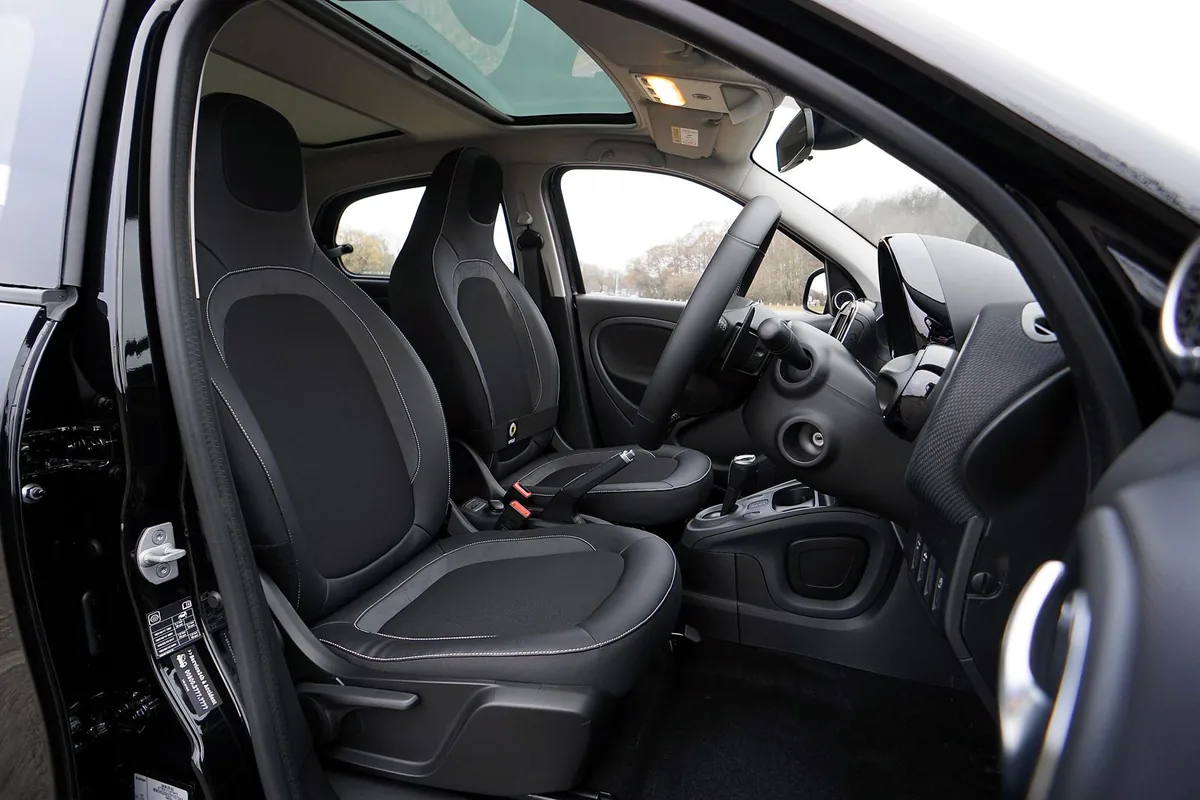
Car biohazard cleaning deals with the tight, hard-to-reach spaces inside a vehicle: seat tracks, seams, floor pans, vents and door cavities. Fluids settle in these places, and a missed spot can keep the smell alive.
If your vehicle is contaminated in Russell, treat it as a possible exposure risk and call Russell Biohazard Cleanup Help. Crews contain the cabin, protect the people nearby and check each affected area before handing the keys back to you.
In Russell, summer heat bakes odors into foam, headliner and vents, which is why the source must be removed instead of masked. If you were exposed to blood in a vehicle, Russell Regional Hospital in Russell is the closest emergency room to ask about testing and next steps.
A typical vehicle biohazard cleanup job includes:
The team confirms the vehicle is released, then suits up and secures the area around it.
Plastic sheeting and careful handling keep contamination from reaching the driveway, garage or lot.
Contamination is removed piece by piece. Surfaces get a detailed clean followed by an EPA-registered disinfectant.
Waste is packed for regulated disposal. A final visual check makes sure nothing was missed.
Most vehicle biohazard cleanup jobs in Russell, KS cost between $500 and $5,000, based on published cost guides.
Vehicle type changes the price. A compact car, a full-size truck, a large van and a bus each have different amounts of interior to clean.
| Type of job | Typical range |
|---|---|
| Vehicle biohazard cleanup | $500 - $5,000 |
Published ranges only (BioCleaners Directory); every vehicle biohazard cleanup job in Russell is priced after an on-site look. Price drivers include type of interior materials, how serious the event was, time since the event, air system decontamination. Questions? Call (877) 812-4220.
Cleaners follow rules designed to protect workers and the public from bloodborne pathogens, including the OSHA Bloodborne Pathogens Standard, 29 CFR 1910.1030. They wear PPE and use EPA-registered disinfectants.
A vehicle where a death occurred is cleaned only after law enforcement or the medical examiner releases it. The team removes contaminated materials, disinfects and treats odor, which can settle into seats, headliner and vents.
It refers to a vehicle damaged by a biohazard, such as blood or body fluids, or by a chemical spill. Both kinds of contamination call for protective gear and specialized cleaning. A cleanup team can tell which applies after seeing the vehicle.
Often, yes. Crews can work in a driveway, garage or lot, depending on space, weather and the extent of the contamination. Some vehicles are moved to an enclosed space to keep the work private and contained.
It usually means the interior was contaminated by blood, body fluids or similar material, and cleaning or repair is needed. Insurers and sellers may use the phrase when a vehicle was exposed to hazardous contamination.
Yes. A regular detail cleans dirt and stains with household products. Biohazard car detailing starts with decontamination, then moves to restoring the finish. Skipping the first step leaves germs and odor behind.
Call (877) 812-4220. Careful hazmat car cleaning is a phone call away.
Call (877) 812-4220