1. Stay back and describe the scene
Keep people and pets away and call. The team asks where the sharps are and who can reach the area.
Russell, KS · Russell County
Found a needle or syringe in Russell? Stay back, keep children and pets away, and call (877) 812-4220. A cleanup team can search the area, collect every sharp and dispose of it safely.
If anyone is in danger, call 911 first. For a suicide crisis, call or text 988.
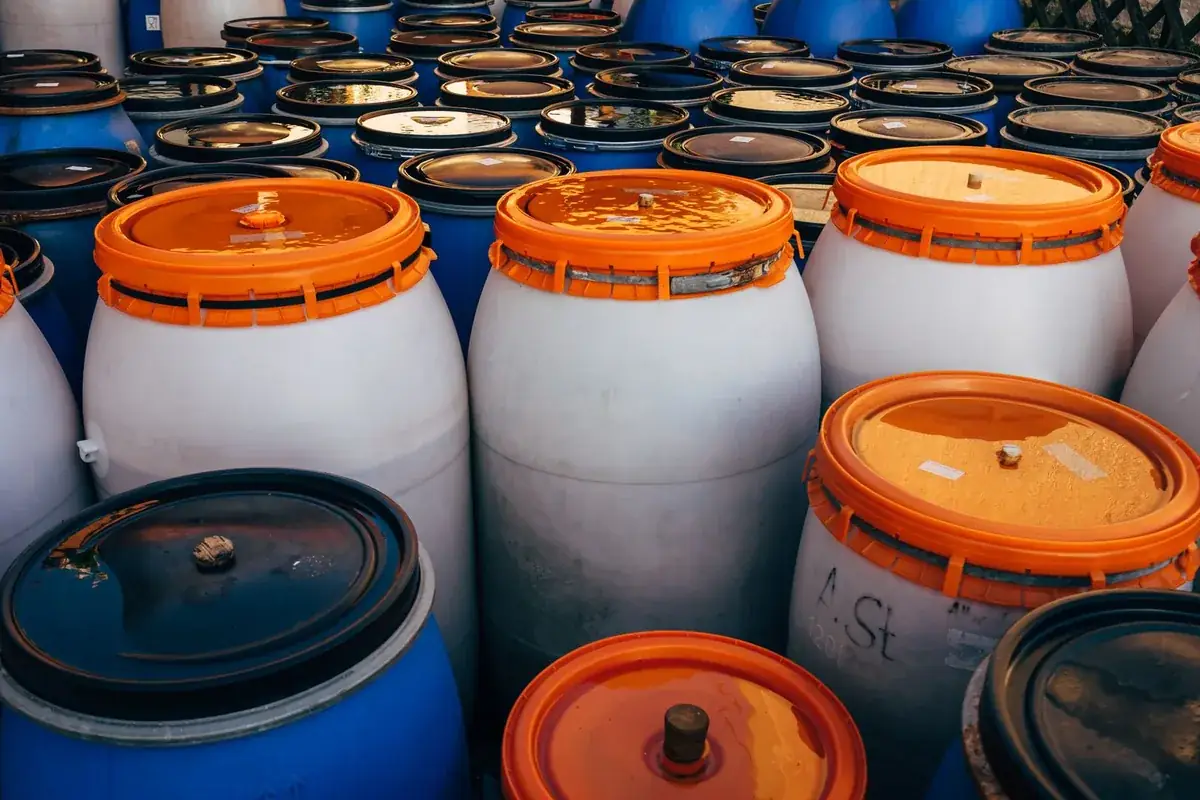
Needle and syringe pickup is a form of biohazard cleanup aimed at sharps. Protective equipment, special containers and proper disposal are part of every job.
You will not be judged when you call Russell Biohazard Cleanup Help about needles in Russell or Russell County. Crews focus on making the property safe and on disposing of sharps properly, following the rules for regulated medical waste.
Vacant buildings make up about 16% of housing in Russell County, and empty houses and lots are common places for discarded needles to turn up. After a needle stick, wash with soap and water and get medical care. Russell Regional Hospital in Russell is the closest emergency room to Russell.
The work often covers:
Keep people and pets away and call. The team asks where the sharps are and who can reach the area.
Crews check under rugs, inside vents, in pockets of clothes and in other spots where syringes are tucked away.
Each needle is picked up with a tool and dropped into a rigid, puncture-resistant container, then sealed.
The crew removes the containers, double-checks the space and answers questions before leaving.
The cost of needle & sharps cleanup in Russell, KS depends on the amount of material, how it is packed and how it is hauled.
Timing can matter. A same-day need near a school or play area may be scheduled differently from a sweep planned for next week.
| Type of job | Typical range |
|---|
Published ranges only (); every needle & sharps cleanup job in Russell is priced after an on-site look. Price drivers include number of items, where they are found, whether a sweep of a large area is needed, waste disposal. Questions? Call (877) 812-4220.
A used needle can carry bloodborne pathogens such as hepatitis B, hepatitis C and HIV. The chance of infection from one stick depends on many things, and a doctor can explain what applies. Get medical care promptly after any stick or cut.
No. Do not search for them yourself. Tell the team what you have seen and where, and the crew will check the rest of the space in protective gear. Searching by hand is how many sticks happen.
Safer options exist. Many cities and health departments have programs for found needles and may give instructions or send someone. If you are unsure, do not touch it. Leaving a needle in place and keeping others away is safer than risking a stick.
No. This page explains how needle and sharps cleanup works. It is not medical, legal or insurance advice. For exposure or symptoms, contact a doctor or Poison Control, and for local programs ask the health department.
Do not go in to look. Report it to the owner, the local health department or a cleanup team. A team can sweep the whole building in protective gear, remove the sharps and give the owner a record of the work.
Loose needles should not go in household trash, because they can stab sanitation workers. Rules for small amounts of household sharps vary by city and county. The local health department can say what is allowed, and a cleanup team can take larger amounts.
Ask about discreet arrival in an unmarked vehicle if privacy matters.
Call (877) 812-4220